
In the context of globalization, international trade continues to expand, with diverse goods circulating across global markets. Among the various components of international trade, the selection of appropriate transportation methods plays a critical role, directly influencing operational efficiency, logistics costs, and overall profitability. The primary modes of international freight transport include international express delivery, air freight, and sea freight. Enterprises must conduct a thorough evaluation based on product attributes, time sensitivity, and budgetary constraints to determine the most suitable transportation solution.
I. International Express Delivery: Optimal for Small, High-Value, and Time-Sensitive Shipments
International express delivery is widely recognized for its speed and convenience, making it particularly suitable for small, high-value, and urgent shipments. In terms of cargo characteristics, this mode is best suited for lightweight and compact items—such as fine jewelry, consumer electronics, and premium cosmetic samples in cross-border e-commerce—where rapid and secure delivery is essential. From a time perspective, express services typically offer door-to-door delivery within 3 to 7 days, ensuring timely market entry. This is especially crucial for time-sensitive products such as seasonal fashion items, where delays could result in significant devaluation due to missed sales windows.
However, the cost of international express delivery is substantially higher compared to air or sea freight, primarily due to value-added services including real-time tracking, door-to-door handling, and expedited transit. Additionally, express carriers impose strict limitations on weight, dimensions, and declared value, which may restrict their applicability for larger or non-standard shipments.
II. International Air Freight: Efficient and Secure Transport for High-Value or Fragile Goods
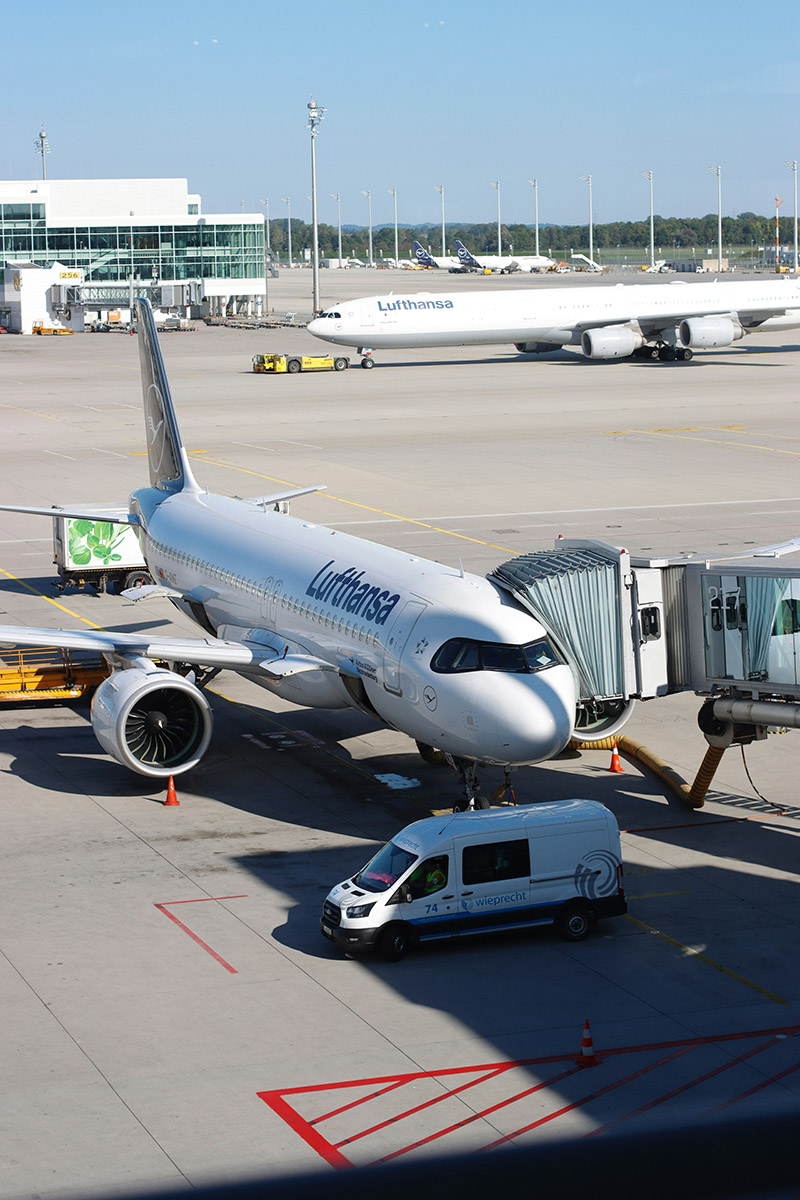
International air freight is a preferred option for transporting high-value, perishable, or fragile goods that require fast and reliable delivery. Suitable cargo includes electronic components, pharmaceuticals, precision instruments, and luxury goods. These items often demand controlled environments and swift transit to mitigate risks associated with price volatility or physical damage. For example, high-end semiconductor chips require prompt delivery to maintain market competitiveness, while delicate medical equipment necessitates stable conditions during transit.
Air freight offers exceptional speed, with typical transit times between Asia and Europe ranging from 3 to 5 days. This enables businesses to respond rapidly to market demands, particularly for trend-driven or seasonal products. Furthermore, air transport provides enhanced security and environmental control, allowing regulation of temperature, humidity, and pressure to safeguard sensitive cargo.
Despite these advantages, air freight has limited capacity and is subject to stringent weight and volume constraints. The minimum chargeable weight is typically set at 45 kg, rendering it less economical for small consignments. Moreover, air freight routes are often restricted in remote or underserved regions, potentially affecting service reliability and accessibility.
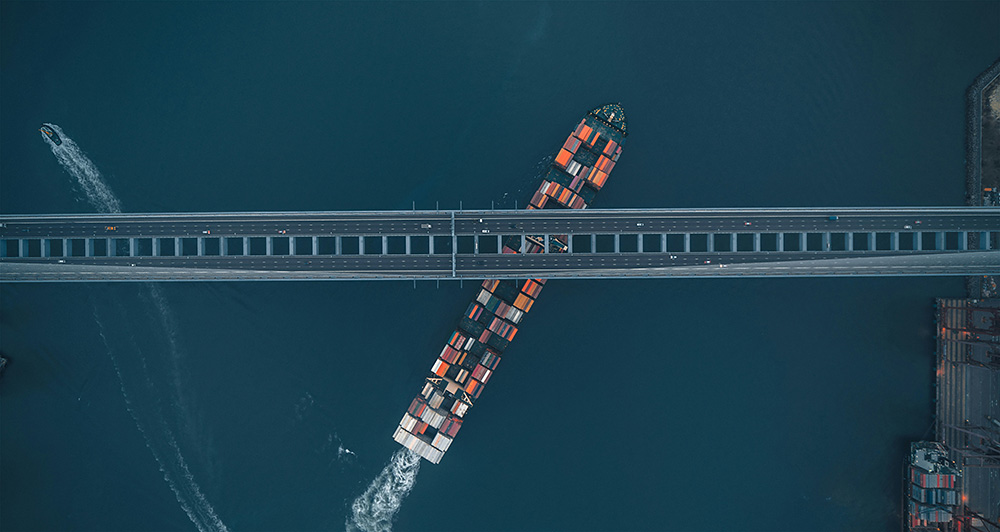
III. International Sea Freight: Cost-Effective Solution for Bulk and Low-Value-Added Cargo
Sea freight remains a cornerstone of international trade, offering unmatched cost efficiency and cargo capacity. It is particularly well-suited for large-volume, heavy, and low-value-added commodities such as machinery, raw materials, minerals, and agricultural products. Given the high weight and bulk of these goods, alternative transport modes would incur disproportionately high costs. In contrast, sea freight rates are approximately one-tenth of those for air freight, enabling substantial savings in large-scale operations.
In terms of capacity, a standard 20- to 40-foot container can accommodate 20 to 40 metric tons of cargo, with considerable tolerance for minor weight fluctuations (e.g., ±200 kg). This flexibility supports efficient consolidation and logistics planning.
Nevertheless, sea freight is associated with longer lead times—typically 15 to 30 days for trans-Pacific routes—and is vulnerable to external disruptions such as adverse weather, port congestion, and schedule changes, which may compromise delivery reliability. Additionally, maritime shipping involves complex documentation processes, including customs declarations, bills of lading, and import manifests, requiring significant administrative effort. The multiple handling stages also increase the risk of cargo damage, loss, or piracy, particularly on high-risk routes such as the Red Sea.
IV. Integrated Evaluation and Strategic Decision-Making
In practice, enterprises must evaluate these three transportation modes holistically, considering specific shipment requirements. For small, high-value, and urgent deliveries—such as e-commerce parcels or product samples—international express delivery ensures speed and reliability, supporting customer satisfaction and brand reputation. For medium-sized, high-value, and time-critical goods—such as semiconductors or luxury items—air freight, despite its higher cost, mitigates risks of delay or damage, thereby preventing greater financial losses. For large, heavy, non-urgent, and cost-sensitive shipments—such as industrial machinery or raw materials—sea freight offers the most economical and scalable solution.
Furthermore, rail freight—exemplified by the China-Europe Railway Express—emerges as a viable alternative, offering transit times of approximately 12 to 18 days, bridging the gap between sea and air freight. This mode is particularly advantageous for landlocked regions in Eurasia, providing a balanced trade-off between cost and efficiency, and expanding strategic logistics options.
In conclusion, selecting the optimal transportation method in international trade requires a comprehensive analysis of cargo characteristics, delivery timelines, and cost structures. By systematically assessing these factors, enterprises can enhance logistical efficiency, minimize expenses, and strengthen their competitive position in the global marketplace.
Media Contact
Company Name: Shangrao Jinyuan Optoelectronics Technology Co., Ltd.
Email: Send Email
Country: China
Website: https://www.jylens.com/